On Tuesday, February 24, a new set of updated ordinances related to bicycles, e-bikes, and other electric micro-mobility devices was approved by Fort Wayne City Council. These ordinances provide much-needed updates to rules and regulations that were originally created in a time before modern electric mobility devices existed.
The earlier ordinances were primarily written to restrict the use of gasoline-powered vehicles—such as mopeds, snowmobiles, ATVs, and motorcycles—from being used on sidewalks and multi-use trails. However, as e-bikes and other electric micro-mobility devices have grown significantly over the past decade, the language and intent of those older rules became increasingly outdated. The term “e-bike” has blurred from low-wattage pedal-assist bicycles to high-powered electric motorcycles or dirt bikes capable of speeds exceeding 50 mph. While these devices can be impressive, they are not appropriate for sidewalks or multi-use trails.
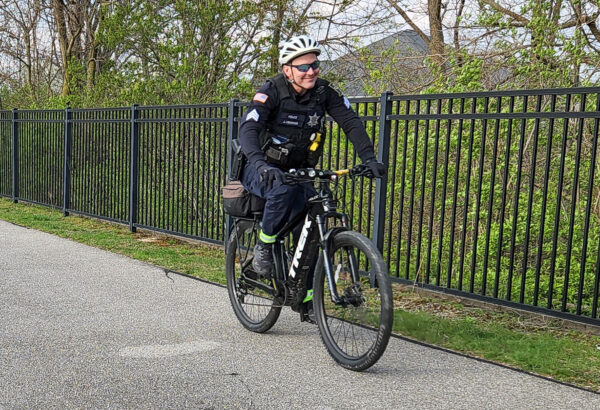
FWPD patrolling on their class-2 E-bikes
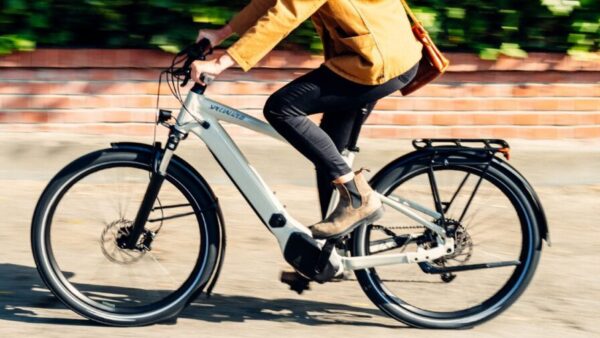
Work on these updates has been a long and thoughtful process, with conversations and research dating back roughly five years. Rules surrounding e-bikes have been a moving target for municipalities around the world as technology continues to advance and become more accessible. Commercially available e-bicycles are commonly categorized into three classes, with regulations varying at federal, state, and local levels. National advocacy organizations such as PeopleForBikes have worked to help create clearer guidance on where and how electric bicycles can be used, serving as a valuable resource for local governments. That said, these frameworks are not always one-size-fits-all and often do not account for other electric micro-mobility devices like scooters, skateboards, and Onewheels.
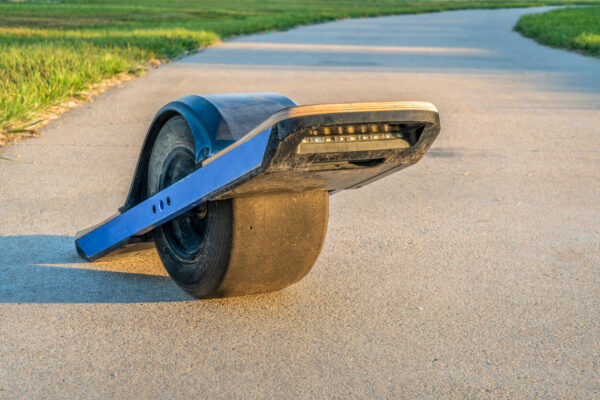
Smaller low wattage electric micro-mobility devices such as a Onewheel, fall into the category of allowed devices.
In 2024, Fort Wayne Trails participated in electric micro-mobility device meetings held by the City of Fort Wayne that brought together a diverse group of trail users. Participants included runners, cyclists, e-bike riders, electric mobility device users, dog walkers, and many others who regularly use the trail network. The goal of these meetings was simple: listen, learn, gain hands-on familiarity with emerging devices, and discuss the overall shared trail experience.
A consistent theme emerged from these discussions: courteous and respectful trail behavior matters far more than the specific device being used. A dog on a long leash or an overly aggressive cyclist can negatively impact the trail experience just as much, if not more, than someone responsibly riding an e-bike to explore the trails or commute. After extensive discussion, the group supported the inclusion of electric micro-mobility devices, paired with reasonable restrictions to maintain a safe and enjoyable trail environment and to allow for clearer enforcement than the previous outdated ordinances permitted.
Ordinance Updates
So, what’s in the ordinances, and what does it mean for trail users and the network as a whole? Here is a simple breakdown of the major updates that are directly related to electric mobility devices.
- A Definition of E-Bicycles
The ordinances now formally adopt the Indiana State Law definitions for e-bicycles, including Class 1, Class 2, and Class 3 e-bikes. - A Definition of “Other Vehicle”
“Other Vehicle” includes self-propelled vehicles not defined in Title VII of the Fort Wayne Code of Ordinances and vehicles propelled partially or fully by a motor that meet all of the following criteria:
- No wider than 32 inches
- Weigh 150 pounds or less (without operator or passengers)
- Powered by an electric motor with a maximum output of 750 watts or less
- Not designed for propulsion by fossil fuels or hydrogen
- Updated General Regulations and Trail Etiquette
The ordinance also incorporates common-sense best practices for shared trail use, including:
- Providing an audible warning when passing other trail users (voice or bell)
- Maintaining full directional, speed, and stopping control at all times
- Passing at a safe distance of at least 3 feet
- Not exceeding speeds that are reasonable and prudent based on safety, trail conditions, weather, wildlife, traffic, and surrounding users
- Enforcement and Penalties
Clear enforcement language has now been established. Violations may result in fines ranging from $25 to $200 per instance, with first-time offenders fined no more than $15. Repeat violations may result in larger fines and possible impoundment of the device.
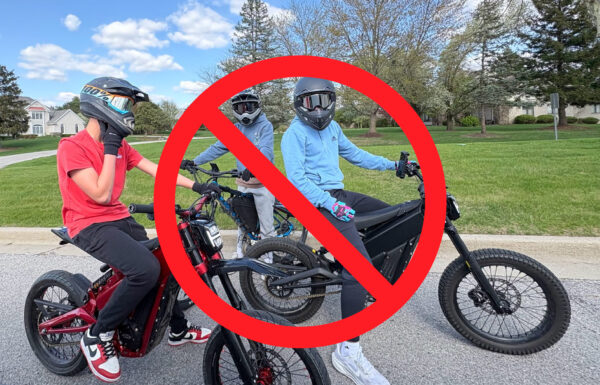
An example of a high-wattage electric dirt bike. These are not permitted for trail use per the ordinance updates.
What This Means for Trail Users
Simply put, if your e-bike or electric mobility device is under 32 inches wide, weighs less than 150 pounds, is powered by 750 watts or less, and is not designed for fuel or combustion propulsion, it is permitted under the updated ordinance. These rules help ensure that high-powered electric motorcycles, dirt bikes, golf carts, snowmobiles, ATVs, and similar vehicles that exceed these specifications do not operate on sidewalks or multi-use trails.
What’s Next
At this time, the ordinance is active within Fort Wayne city limits, but still needs to be approved by the Fort Wayne Park Board for trails and paths in our 89 parks. As an organization serving all of Allen County, Fort Wayne Trails will be working closely with the surrounding municipalities to pursue broader, network-wide adoption. This effort will help ensure a consistent and predictable trail experience across the entire system, which now spans more than 162 miles.
In addition, Fort Wayne Trails and its partners will focus on education and updated signage to keep trail users informed and confident in the new guidelines. Ultimately, the trail experience is shaped by the people who use it every day. Continuing to be courteous stewards of these shared spaces, whether by wheel or by heel, remains essential to the continued success and growth of our trail network and our community.
If you have any questions, please feel free to reach out to us directly at [email protected].